Trump Targets Credit Card Interest Rates and Safeguards Venezuelan Oil Funds

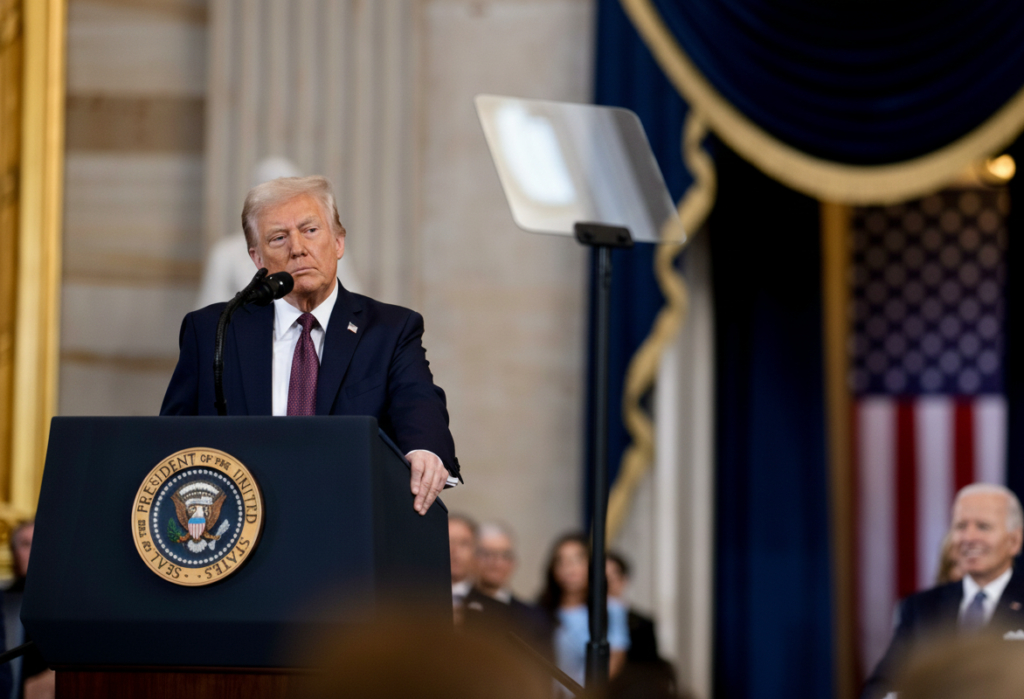
WASHINGTON, D.C. — President Donald Trump has introduced two significant policy measures this week, aiming to reshape domestic consumer finance and solidify U.S. strategic interests in South America. The administration has proposed a temporary cap on credit card interest rates while simultaneously issuing a high-stakes executive order regarding Venezuelan state assets following the recent ouster of Nicolás Maduro.
The “Affordability” Push: 10% Credit Card Rate Cap
In a move described by the White House as a major “affordability” initiative, President Trump has called for a one-year, 10% cap on credit card interest rates.
Currently, the national average for credit card interest sits between 20% and 30%. The President argues that these rates are predatory and “ripping off” the American public.
- Projected Impact: Financial researchers estimate that a 10% cap could save U.S. consumers approximately $100 billion in interest payments annually.
- Banking Sector Response: Major financial institutions and groups like the American Bankers Association (ABA) have voiced strong opposition. They warn that such a cap would force banks to tighten lending standards, potentially cutting off credit access for millions of “subprime” borrowers with lower credit scores.
- Legislative Path: While the President has called for the cap to begin on January 20, 2026, legal experts note that such a move may require Congressional approval. Bipartisan support has emerged from unexpected corners, with both Senator Bernie Sanders (I-VT) and Senator Josh Hawley (R-MO) previously advocating for similar interest ceilings.
Protecting Venezuelan Assets Post-Maduro
On the international front, President Trump signed a sweeping executive order to protect Venezuelan oil revenue currently held in U.S. Treasury accounts. This follows the dramatic removal of Nicolás Maduro from power earlier this month.
The executive order declares a “national emergency” to safeguard these funds—known as Foreign Government Deposit Funds—from being seized by creditors or third-party litigants in court.
Key Objectives of the Order:
- Stabilization: Preserving funds to assist a transitional government in stabilizing the Venezuelan economy.
- Infrastructure Reinvestment: Encouraging U.S. energy companies to invest in Venezuela’s oil infrastructure, which has suffered from years of neglect.
- Diplomatic Leverage: Ensuring the U.S. maintains control over these assets to guide the country’s political transition.
Global and Domestic Implications
The dual announcements signal a highly active start to the 2026 calendar year for the Trump administration. At home, the credit card proposal sets up a potential legislative battle with Wall Street, while abroad, the U.S. is moving quickly to fill the power vacuum in Caracas.
Acting Venezuelan President Delcy Rodriguez has called for unity during this transition, while U.S. Energy Secretary Chris Wright has indicated that the U.S. intends to play a long-term role in managing and marketing Venezuelan oil output to help stabilize global energy prices.