Tensions in Iran Threaten Global Markets and U.S. Policy Stability

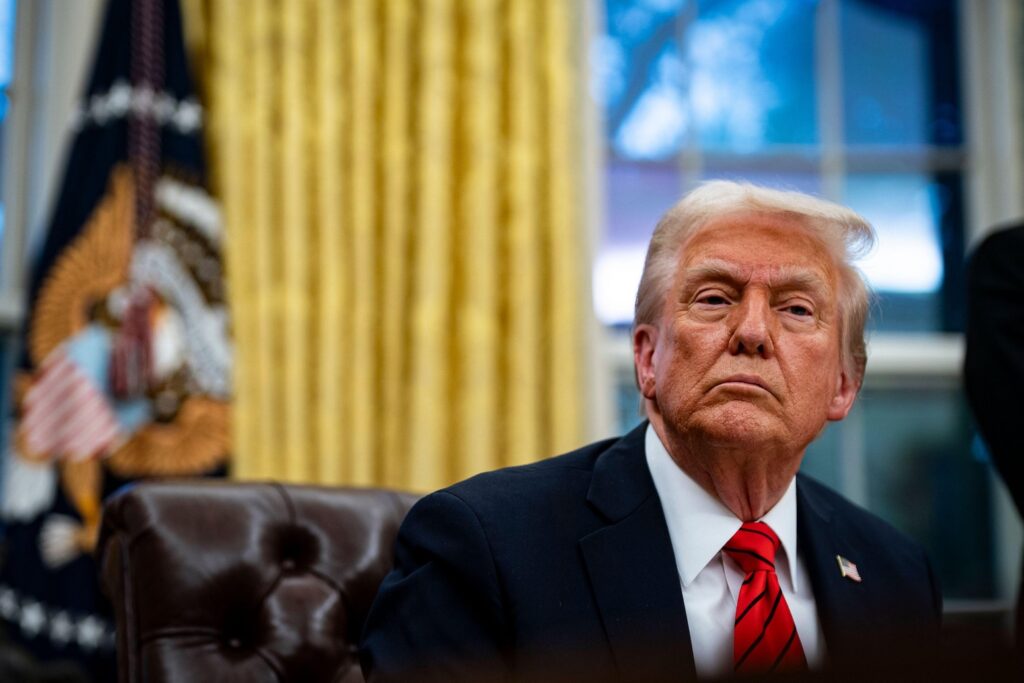
The world is watching the Persian Gulf with held breath. What started as regional posturing has spiraled into a standoff that threatens more than just borders—it’s now a direct threat to the U.S. presidency and your wallet. As tensions hit a decade-high, the risk of a miscalculation in the Middle East is no longer a “what if” scenario; it’s a “when.”
The Oil Factor: $150 Crude?
The biggest concern for global markets is the Strait of Hormuz. Nearly 20% of the world’s oil passes through this narrow choke point. If a direct military confrontation breaks out, analysts at firms like Goldman Sachs and JPMorgan warn that energy prices won’t just rise—they’ll skyrocket.
For the U.S. administration, this is a political nightmare. High gas prices have historically been “incumbent killers” during election cycles, and the current White House is feeling the heat.
The Proxy War Trap
The friction isn’t happening in a vacuum. It’s the result of two major factors that the standard news cycle often misses:
- The Saudi-Iran Rivalry: This isn’t just about religion. It’s a fight for who runs the neighborhood. From Yemen to Lebanon, both nations are pouring billions into proxy forces. According to recent 2023 reports from analysts like Kapstein and Radu, these “shadow wars” are what actually keep the region unstable.
- The Superpower Tug-of-War: Washington wants to keep the nuclear lid on, but Moscow has other plans. By backing Iran’s economy and the Assad regime in Syria, Russia has effectively given Tehran a “get out of jail free” card against Western sanctions.
Key Stat: In 2021, military spending in the region saw a sharp uptick following the downing of a U.S. drone, a trend that has only accelerated in the last 24 months.
Why Sanctions Aren’t Working
For years, the U.S. has leaned on “Maximum Pressure” campaigns. However, experts like Sagan (2022) point out a backfire effect: instead of making Iran back down, these sanctions have actually united the country’s hardliners.
By crushing the middle class, Western policy has accidentally handed more power to the very factions that want a fight. This has turned a diplomatic problem into a “nationalism” problem, making a peaceful exit much harder to find.
The Bottom Line
If a hot war starts, we aren’t just looking at military casualties. We’re looking at a global humanitarian crisis and a supply chain collapse that would dwarf the 2020 pandemic.
For the U.S. to navigate this, it can’t just be about “more troops.” It requires a hard look at how decades of Middle East policy led us to this cliff. Without real, inclusive dialogue that involves regional neighbors—not just D.C. and Moscow—the cycle of escalation is likely to continue.