Global Energy Markets Brace as Trump Seeks Hormuz Coalition

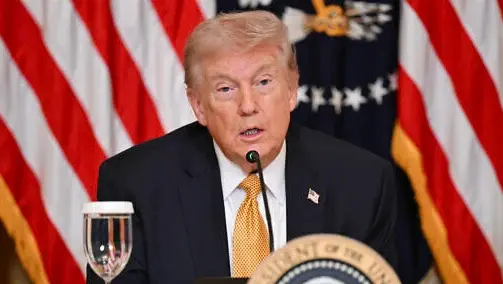
WASHINGTON — President Donald Trump has called for the formation of an international naval coalition to secure the Strait of Hormuz, a critical maritime chokepoint currently destabilized by escalating regional conflict. The proposal comes as global oil prices surge past $106 per barrel, reflecting deep market anxiety over potential supply disruptions.
A High-Stakes Maritime Standoff
The Strait of Hormuz, a narrow waterway through which roughly 20% of the world’s oil and liquefied natural gas (LNG) passes, has become a primary theater of tension. Iran has reportedly restricted access to the transit route in retaliation for ongoing hostilities with the U.S. and Israel.
While the U.S. has maintained a heavy presence with the USS Abraham Lincoln carrier strike group, the administration is now pressuring allies—including the UK, France, Japan, and South Korea—to contribute warships. President Trump characterized the effort as a “collective duty” to ensure the free flow of energy to the global market.
Tanker Nanda Devi Navigates the “High-Risk” Zone
Despite the looming threat of a total blockade, some commercial vessels are managing to navigate the corridor through independent security arrangements. On March 17, 2026, the Indian-flagged tanker Nanda Devi successfully arrived at Vadinar Port in Gujarat, carrying 46,500 metric tons of LPG.
The vessel was reportedly escorted by Indian Navy destroyers under Operation Sankalp. This successful transit highlights a growing trend of nations opting for unilateral or bilateral protection for their vessels rather than joining a broader, U.S.-led military alliance that could risk further escalation.
Logistical Hurdles and Diplomatic Resistance
Building a multi-national “armada” is proving difficult. Many European and Asian allies have expressed hesitation, citing the risk of being drawn into a wider war.
- France and Japan: Both nations have signaled a preference for diplomatic de-escalation over military involvement.
- The Challenges: Experts note that the Strait’s narrow geography—just 21 miles wide at its tightest point—makes traditional naval dominance difficult against shore-based missile batteries and drone swarms.
Why This Matters: The New Energy Reality
The current crisis underscores a permanent shift in global energy security strategy. Unlike previous decades where the U.S. Navy acted as the sole guarantor of the Gulf, we are seeing the emergence of a “fragmented security” model. Nations like India are proving that independent naval escorts and back-channel diplomacy can be more effective than large-scale military coalitions.
Future Implications
If the Strait remain a flashpoint, the global economy may face a prolonged period of $100+ oil prices, accelerating the transition to alternative energy sources in Europe and Asia. Furthermore, the reluctance of allies to join the U.S. coalition may signal a significant waning of NATO-centric maritime influence in the Middle East.