Escalating Crisis in Iran: Concerns Rise Over Heavy Casualties

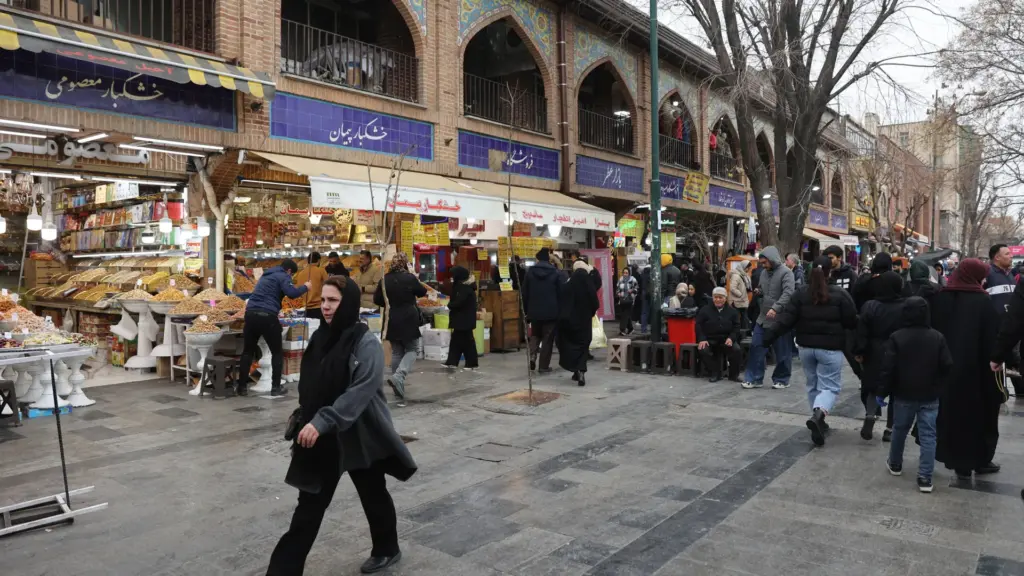
TEHRAN — Tensions across Iran reached a critical breaking point this week as human rights organizations and local officials reported a surge in casualties following a severe state crackdown on nationwide demonstrations. Estimates regarding the loss of life vary significantly due to ongoing communication barriers, with figures ranging from 3,000 verified deaths to reports suggesting the total could exceed 20,000. The unrest, which began in late December over economic grievances, has evolved into a significant challenge to the country’s established leadership.
Humanitarian Crisis Deepens Amid Crackdown
The scale of the violence has drawn sharp condemnation from the international community. Rights groups, including Amnesty International and HRANA, have documented the extensive use of force against protesters in major urban centers and ethnic minority regions. Verified reports indicate that security forces have employed live ammunition and heavy machinery to disperse crowds, leading to what some activists describe as the deadliest domestic upheaval since 1979.
Medical facilities and morgues in cities like Tehran and Karaj are reportedly overwhelmed. Eyewitness accounts smuggled out despite an eight-day internet blackout describe scenes of chaos, with families struggling to locate missing relatives. While the Iranian government has officially confirmed the deaths of several thousand individuals, they have attributed the violence to “rioters” and foreign-backed agents rather than state action.
Geopolitical Friction and Leadership Rhetoric
The internal crisis has rapidly transitioned into a diplomatic flashpoint. Supreme Leader Ayatollah Ali Khamenei addressed the nation on Saturday, characterizing the protests as a “sedition” orchestrated by the United States and Israel. Khamenei alleged that Western intelligence agencies have funneled resources to destabilize the Islamic Republic, vowing that those responsible for the “chaos” would face severe consequences.
In Washington, President Donald Trump has taken an active stance, utilizing social media and public addresses to call for “new leadership” in Tehran. The White House has warned of “strong action” should the Iranian government proceed with mass executions of detained protesters. This exchange of rhetoric has heightened fears of a broader regional conflict, as Tehran recently threatened to target U.S. bases in the Middle East if military intervention occurs.
Why This Matters: A Turning Point for the Region
This wave of unrest is distinct from previous movements due to its sheer scale and the speed at which it escalated across all 31 provinces. The combination of hyperinflation and demands for social reform has created a volatile environment that the traditional security apparatus is struggling to contain through conventional means.
If the government fails to address the underlying economic hardships, the risk of a prolonged period of instability increases. Furthermore, the explicit involvement of high-level U.S. rhetoric signals a shift in Western policy toward more direct support for Iranian opposition movements, which could redefine Middle Eastern alliances for years to come.
Summary: Iran faces a historic humanitarian and political crisis as casualty counts rise and international pressure mounts. The standoff between Tehran’s leadership and protesters remains unresolved despite the state’s efforts to quell the movement.