Iran Unrest: Protests Reach Two-Week Mark Amid Rising Regional Tensions

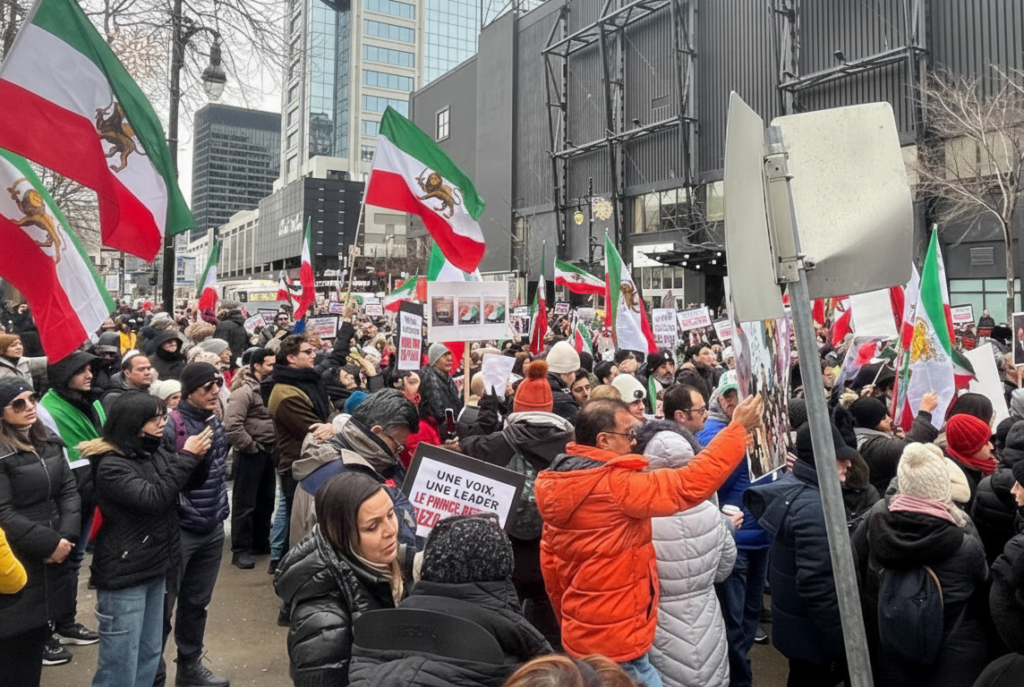
TEHRAN — Nationwide demonstrations in Iran have officially entered their second week, as a wave of unrest triggered by economic grievances continues to spread across the country. What began as localized protests over a sharp currency depreciation and soaring inflation has evolved into a significant challenge for the Iranian government, drawing sharp reactions from both domestic officials and the international community.
Escalating Rhetoric and Casualties
As the protests hit the 14-day mark, Iranian President Masoud Pezeshkian addressed the nation, acknowledging the public’s economic concerns while taking a firm stance against the violence that has marred recent gatherings. In a televised statement on Sunday, Pezeshkian accused the United States and Israel of orchestrating the unrest to “sow chaos and disorder.”
The President urged citizens to distinguish between “peaceful protest” and what he labeled as “organized riots,” warning that the government would not allow security to be compromised. Meanwhile, human rights organizations and activist groups, such as the Human Rights Activists News Agency (HRANA), report that the death toll has risen significantly, with hundreds of protesters and several dozen security personnel killed since late December.
Threats of Regional Escalation
The domestic crisis is increasingly intersecting with regional geopolitical tensions. During a session in the Iranian Parliament on Sunday, Speaker Mohammad Bagher Ghalibaf issued a stark warning regarding potential foreign intervention.
Addressing recent statements from Washington, Ghalibaf declared that if the U.S. were to launch any military action against Iran, both U.S. military assets in the region and Israeli territory would be considered “legitimate targets.” > “Within the framework of legitimate defense, we do not limit ourselves to responding only after an action,” Ghalibaf stated, suggesting that Iran is prepared for a multi-front confrontation involving economic and military spheres.
The Role of International Actors
The international response has intensified the standoff:
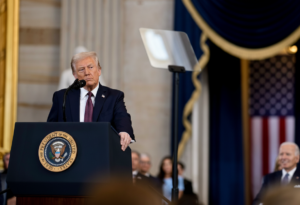
- The United States: President Donald Trump has expressed support for the demonstrators on social media, stating that the U.S. is “ready to help” and warning Tehran against using lethal force to suppress peaceful assembly.
- Israel: Prime Minister Benjamin Netanyahu has also commented on the situation, expressing hope for a future where the Iranian people are “freed from the yoke of tyranny.”
- Information Blackout: Iranian authorities have implemented widespread internet shutdowns and restricted mobile networks. Monitoring groups like NetBlocks report that these measures have made it increasingly difficult to verify the full scale of the demonstrations and the subsequent crackdown.
Economic Roots of the Unrest
At the heart of the movement is a deepening financial crisis. The Iranian rial has plummeted to record lows, trading at over 1.4 million to the dollar. The government’s recent decision to end subsidized exchange rates for basic imports—aimed at curbing corruption—has instead led to an overnight spike in the price of essential goods like cooking oil and poultry, fueling the initial outrage in Tehran’s Grand Bazaar and beyond.
As the situation remains fluid, the international community continues to monitor whether the Iranian government will opt for further dialogue to address economic grievances or move toward a more comprehensive security clampdown.