U.S. Asserts Control in Venezuela Following Maduro’s Capture

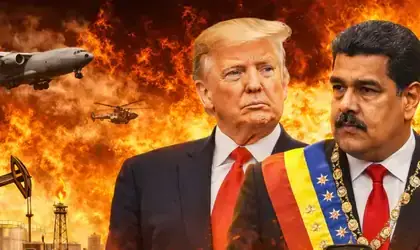
In a dramatic shift in Western Hemisphere geopolitics, the United States has transitioned from a supporting role to a direct governing presence in Venezuela. Following “Operation Absolute Resolve” on January 3, 2026, which resulted in the extraction of President Nicolás Maduro, the Trump administration has confirmed it is now overseeing the nation’s critical systems.
The White House maintains that this intervention is necessary to stabilize the region and secure energy assets. However, the move has ignited a fierce international debate regarding national sovereignty and the limits of executive power.
A New Chapter for Venezuelan Energy
President Trump recently clarified the administration’s stance, stating that the U.S. is currently “running” the country to facilitate a total overhaul of its oil infrastructure. Decades of mismanagement and lack of investment have left Venezuela’s state-owned energy facilities in a state of decay.
The administration’s plan involves deploying American expertise and private sector resources to revitalize production. Officials argue that restoring the flow of Venezuelan crude is essential for global market stability and for recouping assets they claim were previously seized from U.S. interests.
Global Debate and the “Donroe Doctrine”
This intervention has resurrected and modified a centuries-old foreign policy framework. Critics and supporters alike are now referring to the “Donroe Doctrine”—a modern interpretation of the 1823 Monroe Doctrine—which seeks to eliminate non-hemispheric influence in the Americas.
While some regional allies have quietly welcomed the removal of the Maduro administration, others see it as a breach of international law. Global powers, including China and Russia, have issued formal protests, viewing the move as an outdated form of “gunboat diplomacy” that threatens the established global order.
Why This Matters: Future Implications
The long-term impact of this intervention extends far beyond the borders of Caracas. By taking a direct hand in the management of a foreign sovereign state’s primary industry, the U.S. is setting a significant new precedent in international relations.
- Regional Stability: The immediate concern is whether the U.S. presence will lead to lasting peace or spark prolonged local resistance.
- Economic Shifts: A successful revival of Venezuela’s oil sector could drastically lower global energy prices, but it requires billions in private investment that may be hesitant to enter a high-risk environment.
- Diplomatic Realignment: This move signals to other nations in the Western Hemisphere that the U.S. is willing to take unilateral action to protect what it deems “core interests,” potentially chilling relations with traditional partners.
As the situation develops, the focus remains on whether the current oversight will lead to a swift democratic transition or a long-term administrative commitment.